A Trek Purist’s Setup: The Rigs That I Trust For Training and Racing
Introduction:
I’ve been spending a lot of time on the bike lately, so I figured it made sense to break down what I’m actually riding right now.
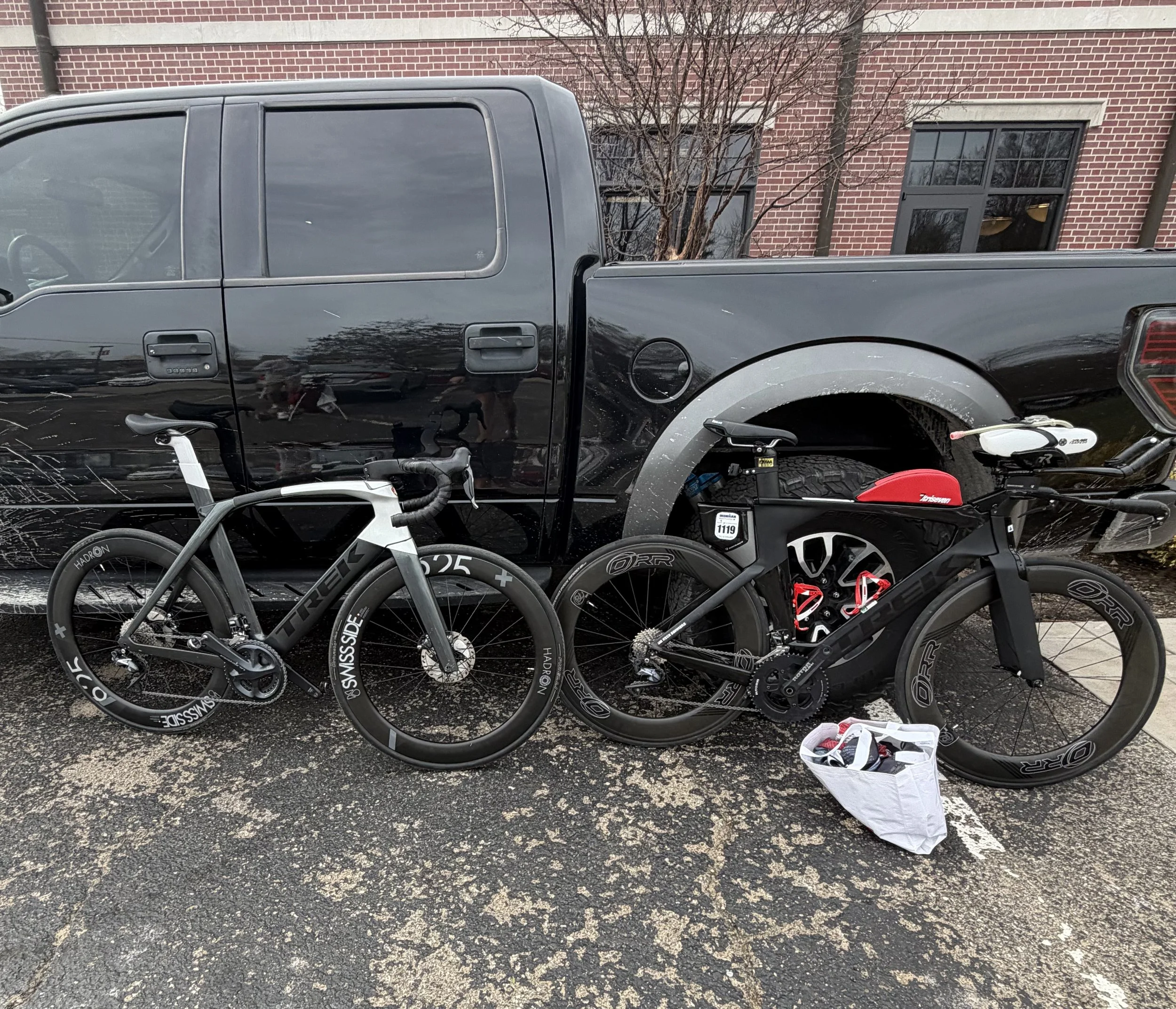
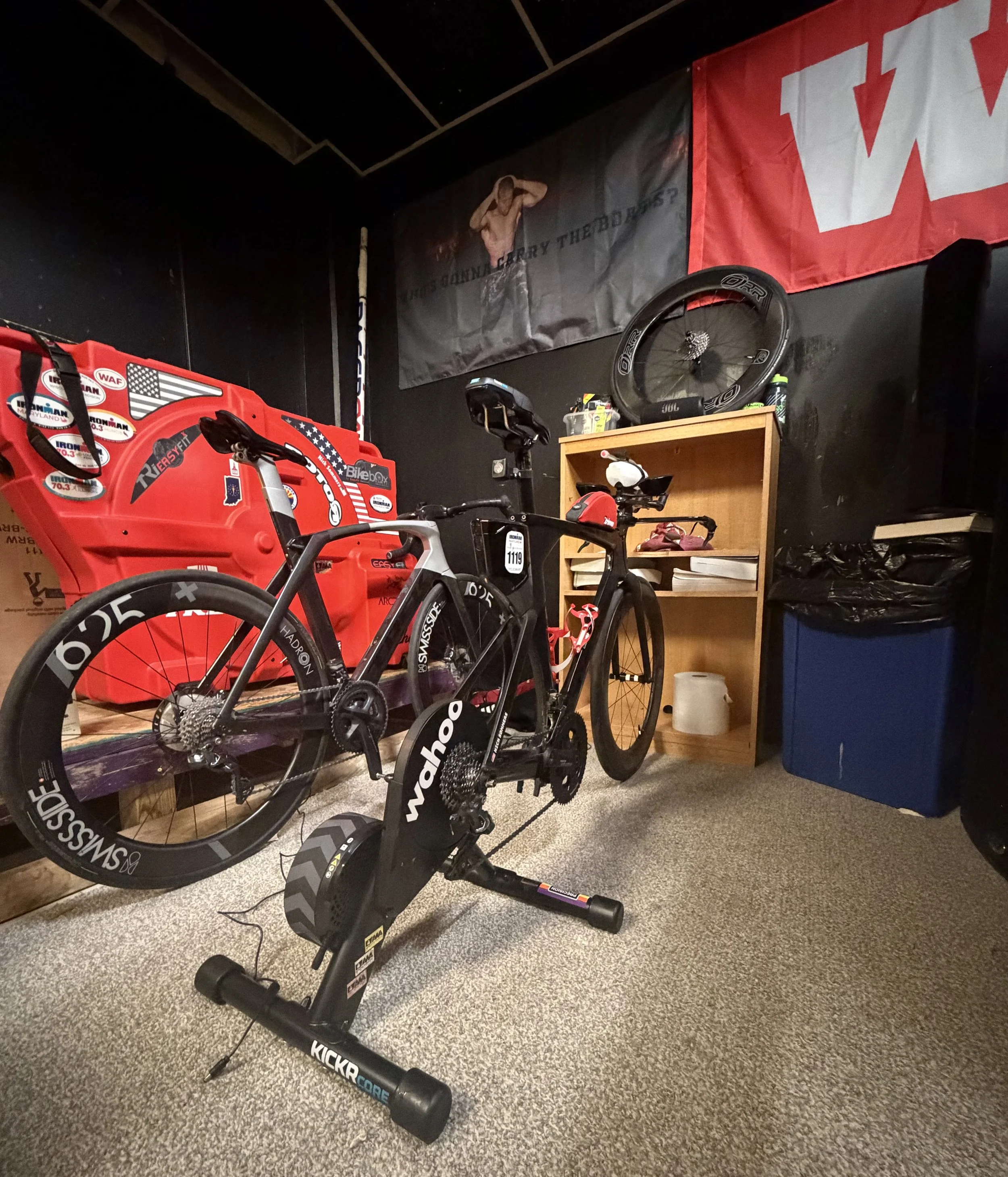
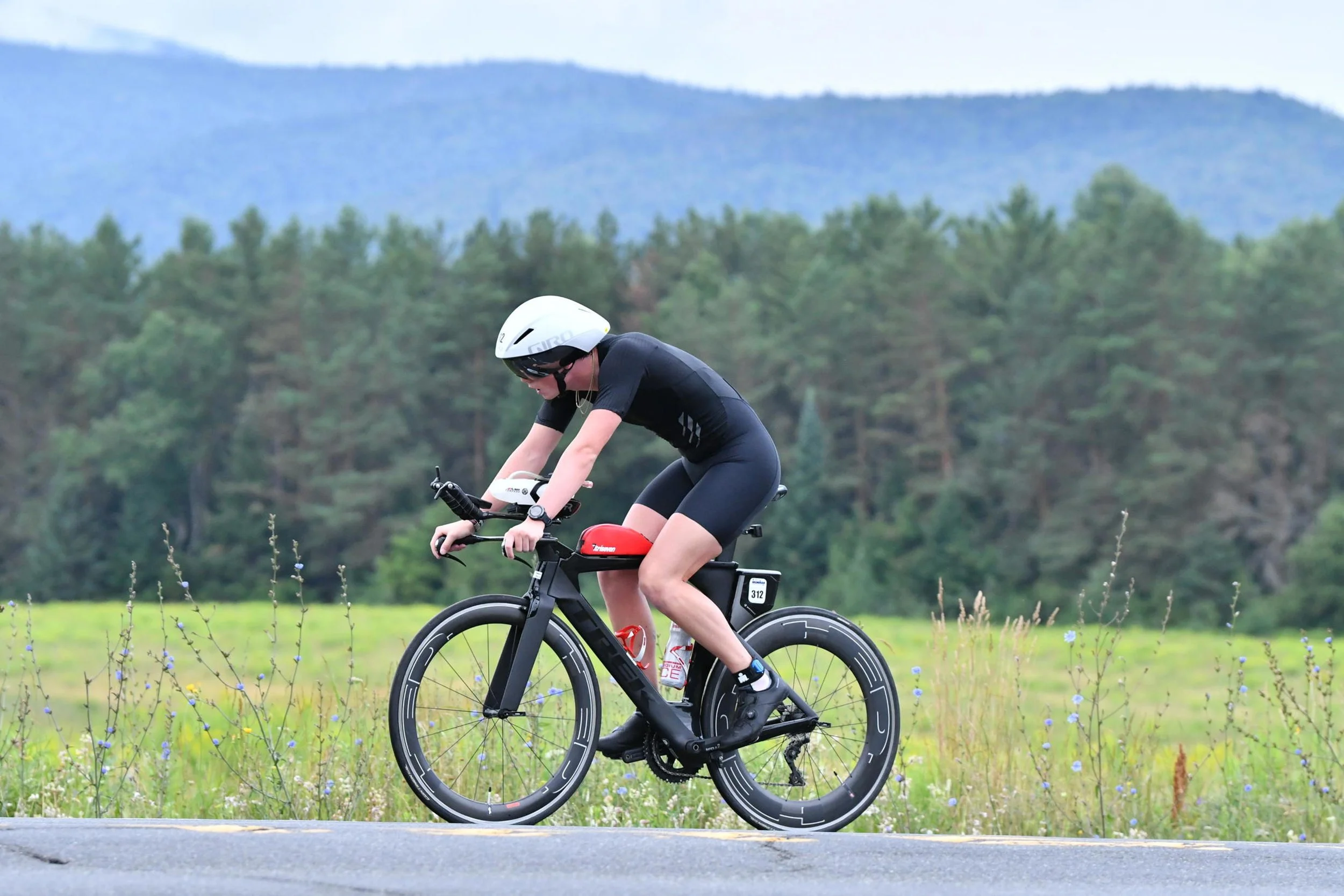
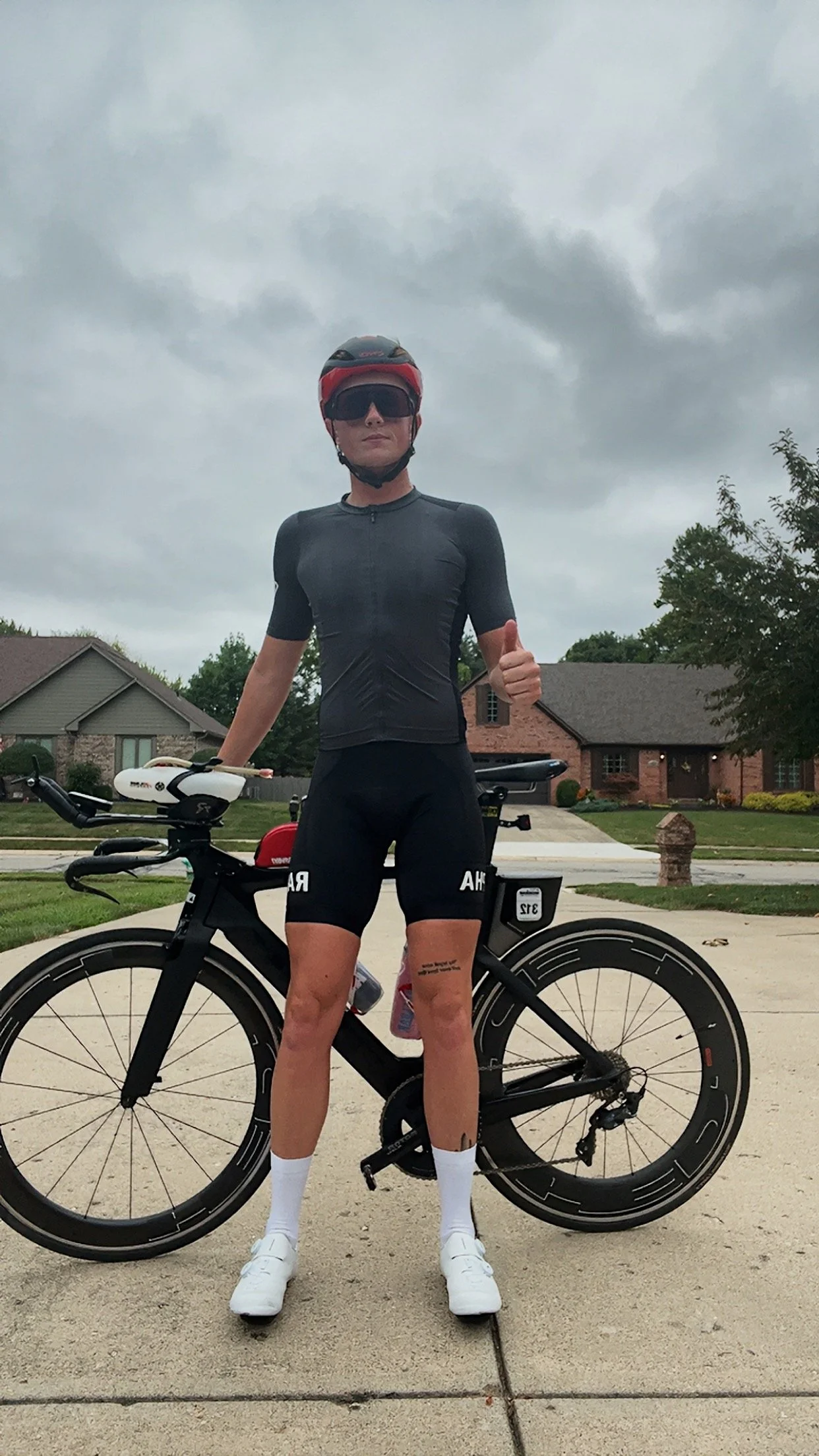
Right now I’m rotating between two setups. My 2019 Trek Speed Concept with a mechanical Ultegra groupset, and my 2019 Trek Madone SLR 7 with Di2. Both bikes serve completely different purposes, and I use them pretty intentionally depending on the session.
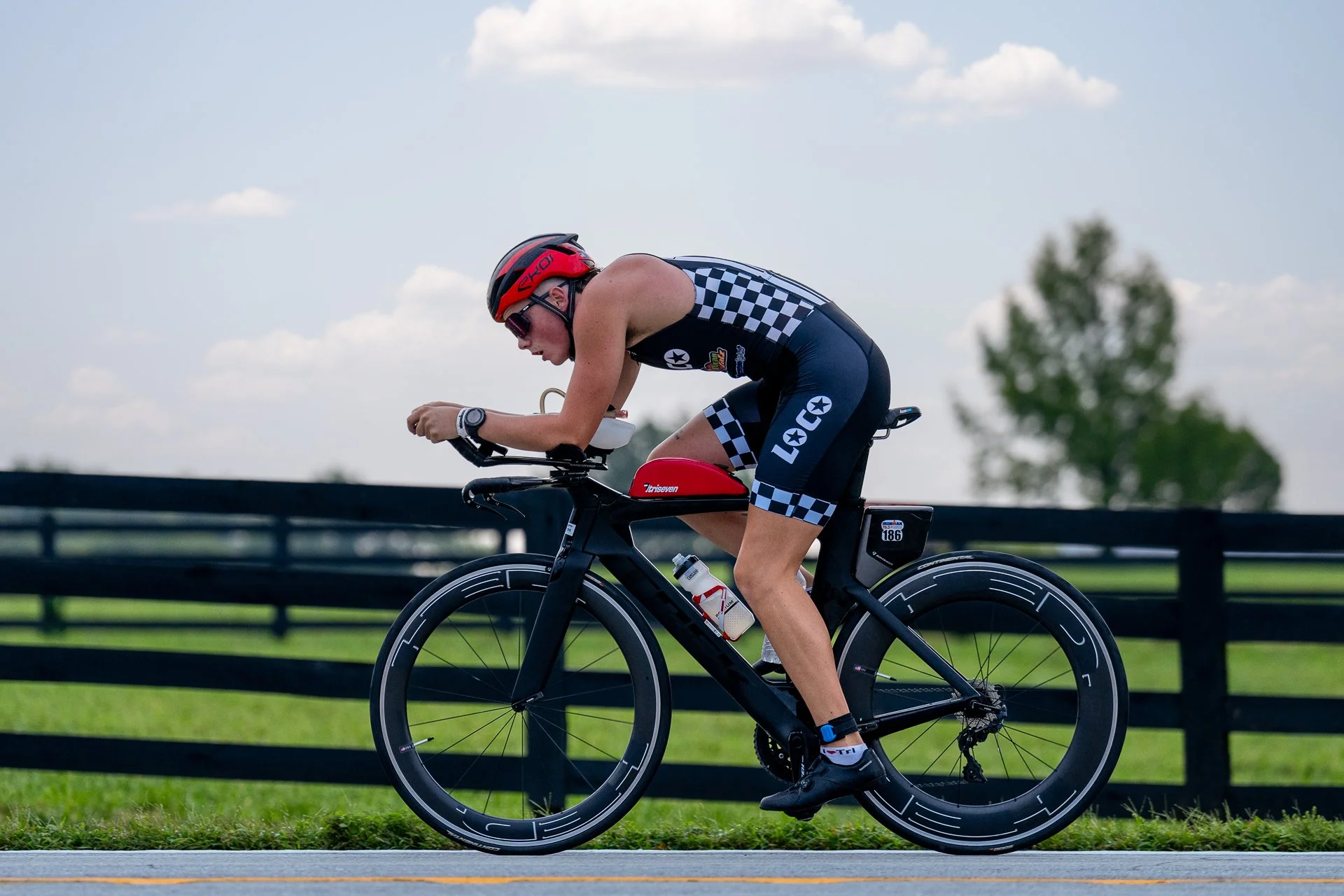
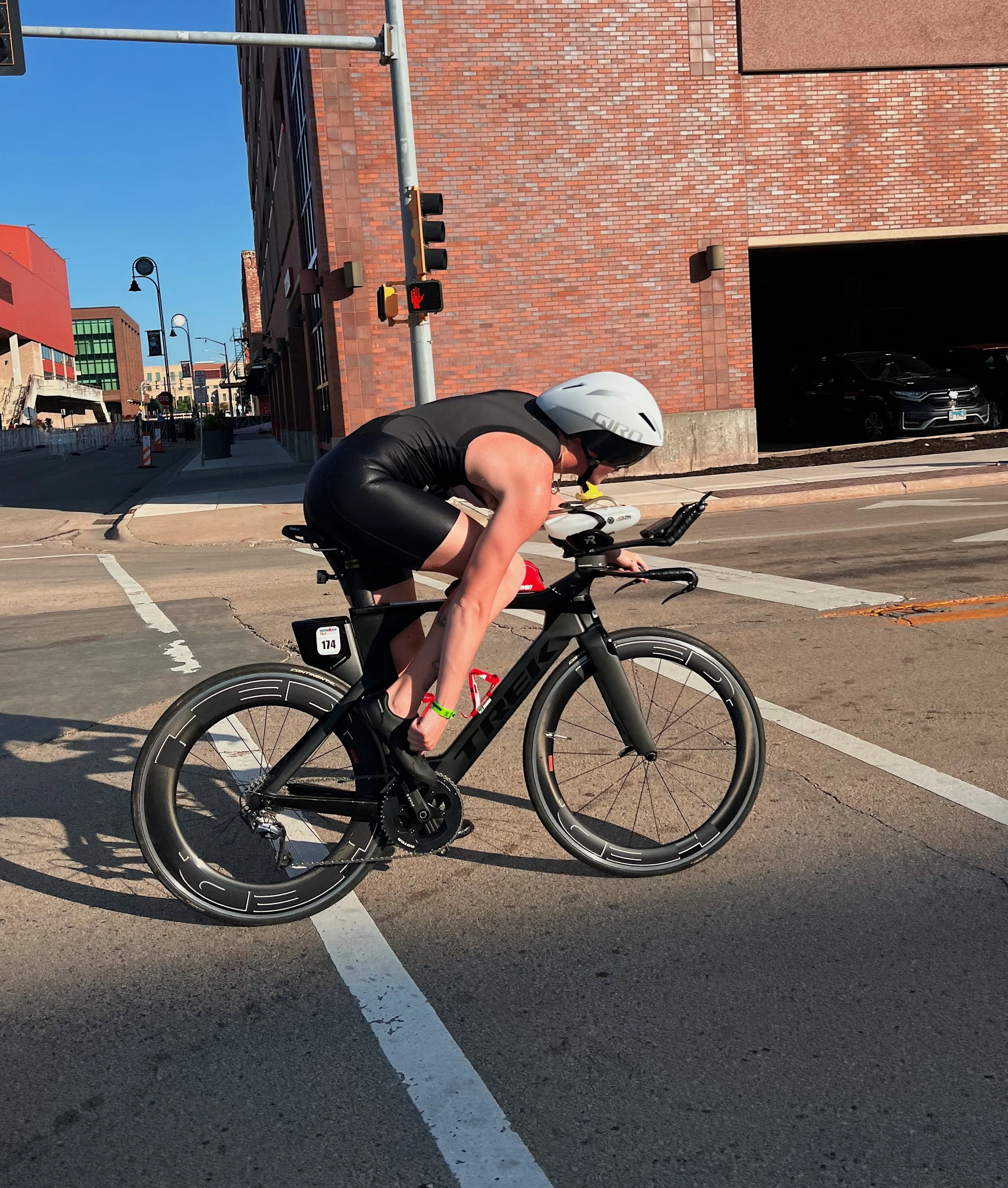
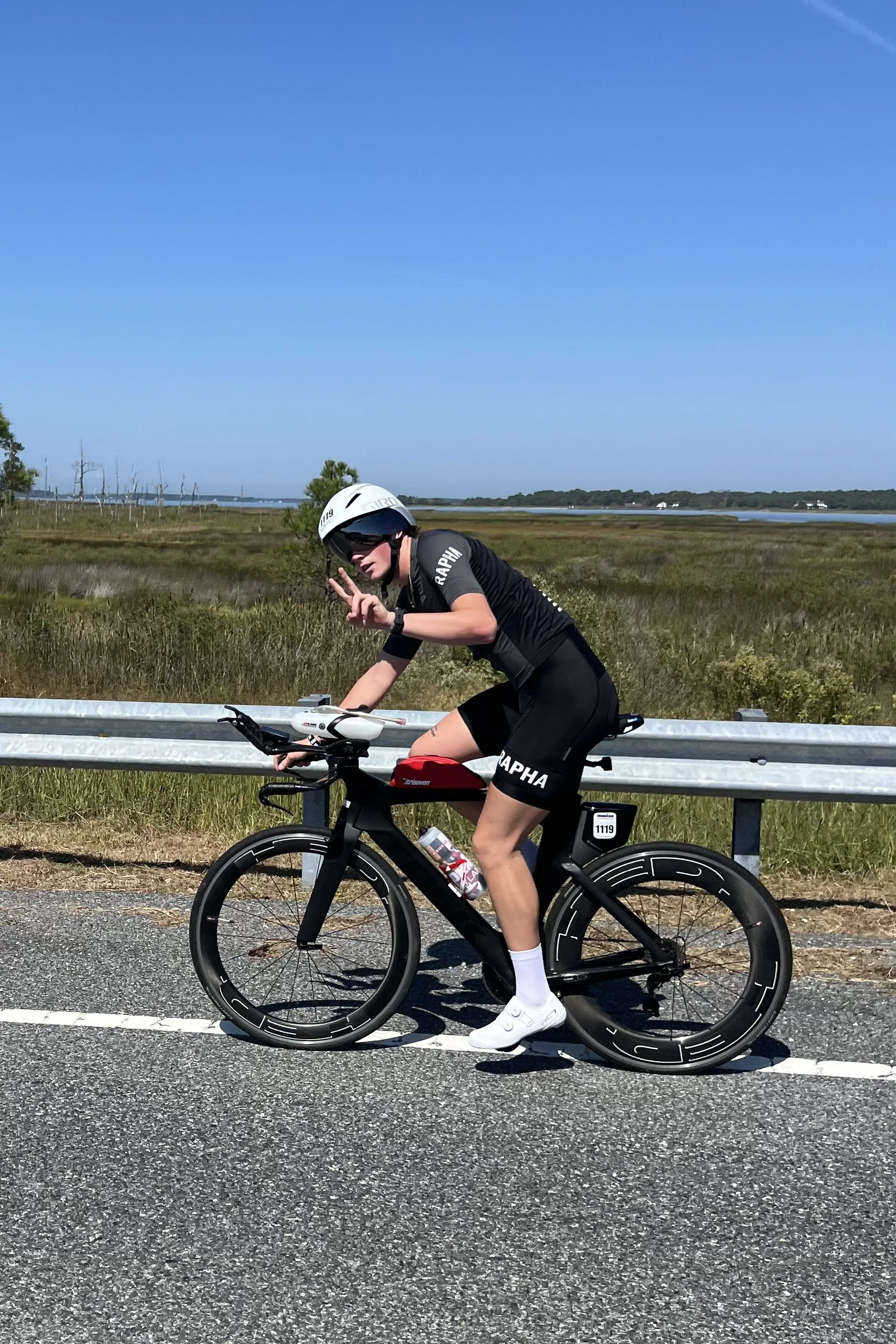
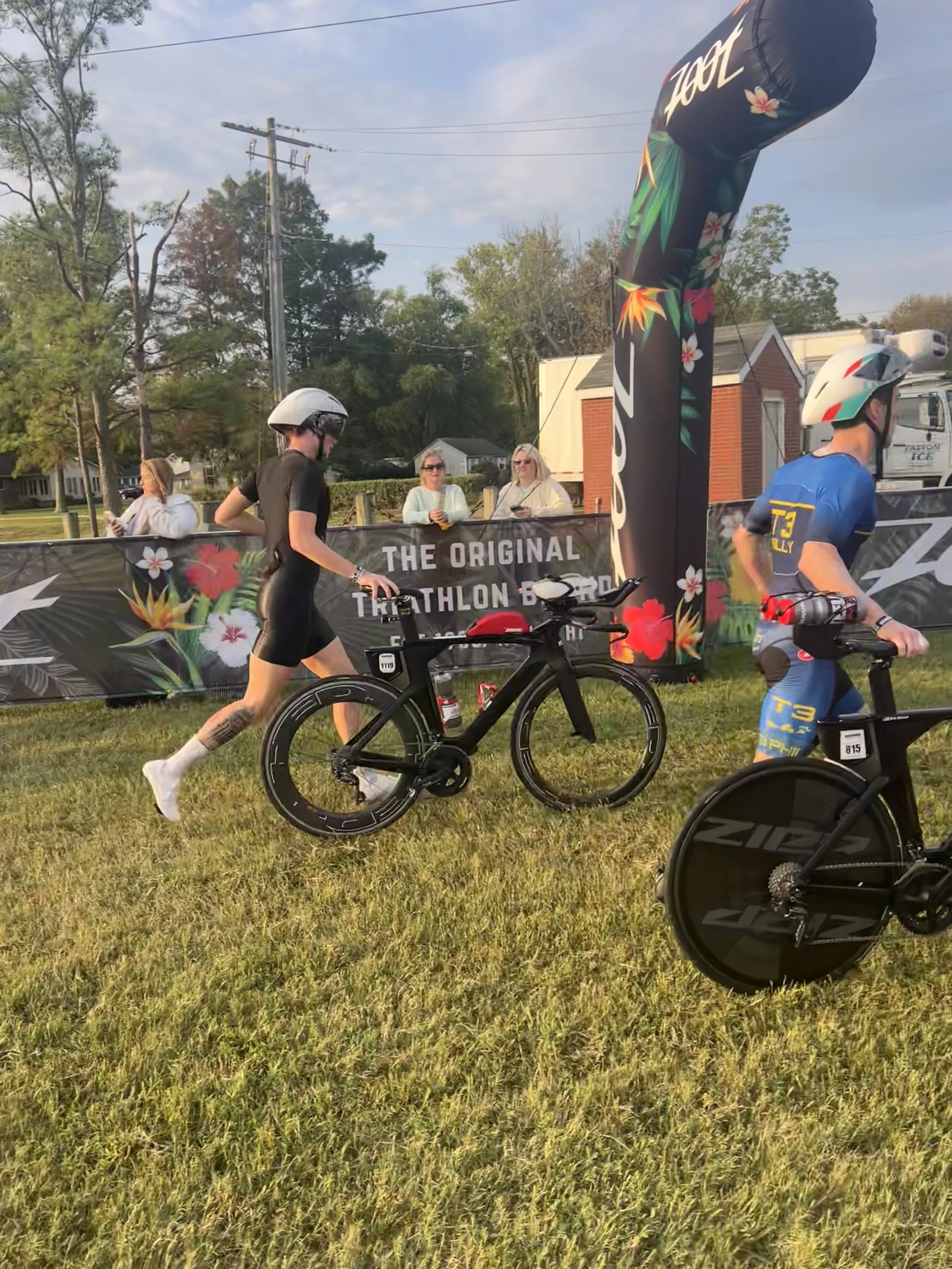
The Speed Concept is my tri bike. It’s built for race efforts, long steady work, and anything where I need to stay locked into position and hold power. The Madone is more of my road setup. It’s what I’ll ride for group rides, easier days, exploration days, or anything where handling and comfort matter a bit more than pure aerodynamics.
Neither one is perfect yet, but both of them do exactly what I need them to do.
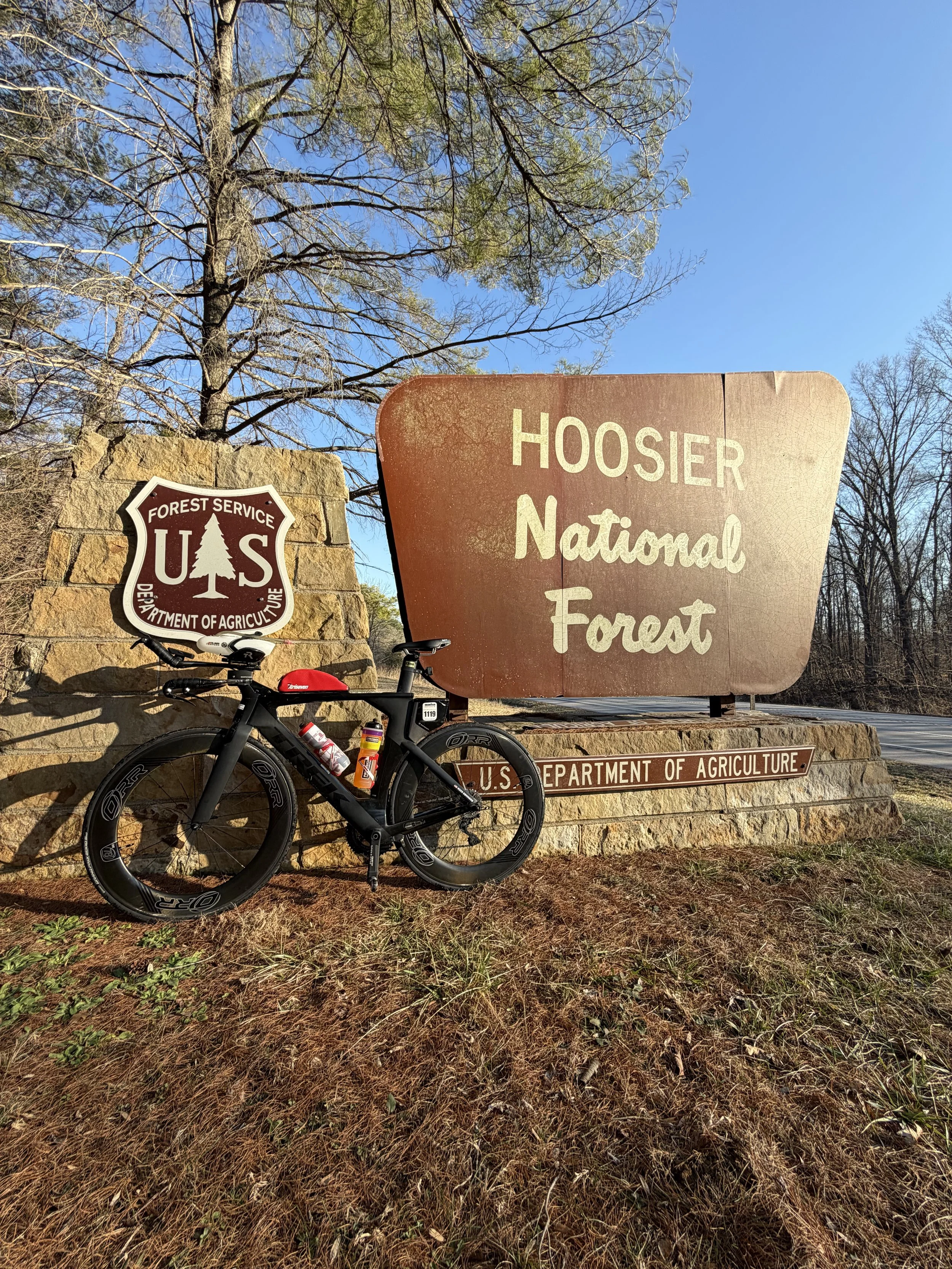
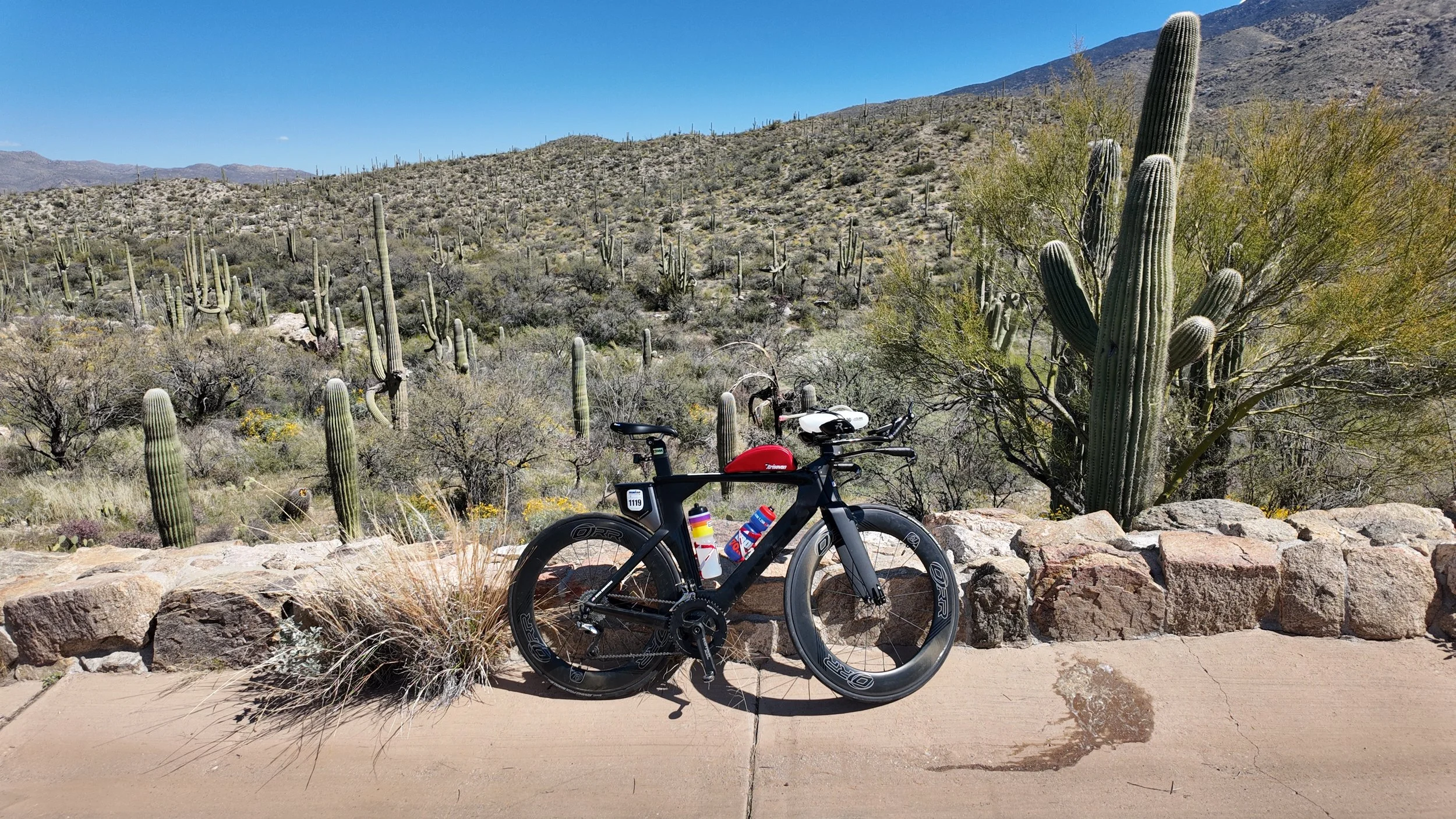
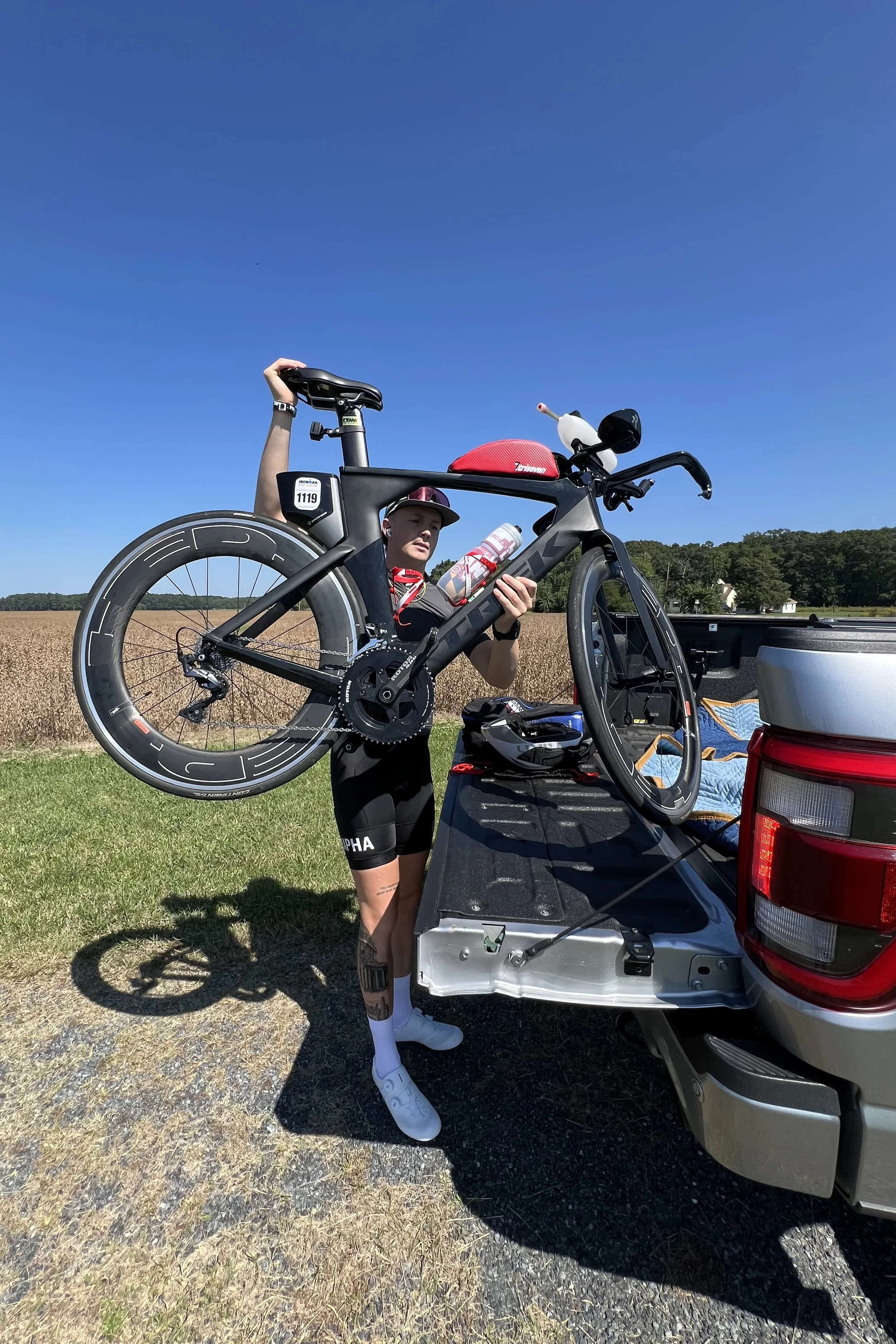
My 2019 Trek Speed Concept: Named “Peoria”
I bought my Speed Concept in the summer of 2023 off a guy I met on Facebook Marketplace. We ended up meeting just outside of Peoria, Illinois, where I brought $2500 cash for the base rig. Right away, I could tell it had been taken care of. It had really low mileage, and I honestly couldn’t find any real damage on it besides a few light scuffs from leaning it against walls.
The bike came pretty well set up too. It had a set of HED Jet RC6 (60mm) wheels, which are solid all-around, and a Jet RC9 (90mm) for when you want that extra aero advantage. It also had 170mm cranks, an ISM 4.0 saddle, a front bento box, and a rear Bontrager bento box. The seller couldn’t get his pedals off, so he just threw them in with the bike. They ended up being Favero dual-sided power pedals, which was actually a pretty nice bonus. I run Wahoo cleats, so I didn’t use them, but it was something I could flip later.
After racing Ironman 70.3 Ohio and 70.3 Louisville and hitting back-to-back bike PRs, I started looking for ways to take things a step further. That’s when I reached out to Tony West at The Watt Shop in Indianapolis to see where I could pick up some free speed.
Tony’s shop is in a house near Keystone, nothing crazy from the outside, but inside it’s dialed. It’s basically the evolution of the old 51 Speedshop, and he’s built a strong reputation in the Midwest tri scene, especially for long course fits. A lot of serious athletes go there because position actually matters when you’re trying to hold power for 70.3 or full distance.
The fit wasn’t just someone eyeballing things. He uses a fully adjustable fit bike that lets you change everything in real time. Stack, reach, crank length, saddle position, all of it. Instead of guessing, you feel the difference immediately.
That’s where the decision to go to 155mm cranks came from. We raised my saddle, extended my cockpit a bit, and paired the shorter cranks with a 58T chainring. We also added TriRig closed-back aero cups for better comfort and support in position. It all came together into something I could actually hold for long efforts, not just something that looked fast.
The fit itself was $300 for a lifetime setup, which made it an easy decision. The real cost came from the parts. All in, I was around $800, but it was worth it for the gains. It wasn’t about making the bike look cooler, it was about getting everything out of what I already had.
This past winter, I upgraded the wheels to finish off the setup. My teammate and co-coach Dani Fisher from Tri-LOCO was selling her ORR race wheels that had won Ironman Wisconsin. At the price and with the mileage on them, it was an easy yes.
I ended up with a full setup. ORR One 78 front and rear with DT Swiss hubs, plus an ORR disc for race day. That’s what I’m running now.
That’s how the bike sits today. Pretty dialed, and ready to get back on the Ironman course at 70.3 Happy Valley in June.
2019 Trek Madone: Named “The (MAD)one”
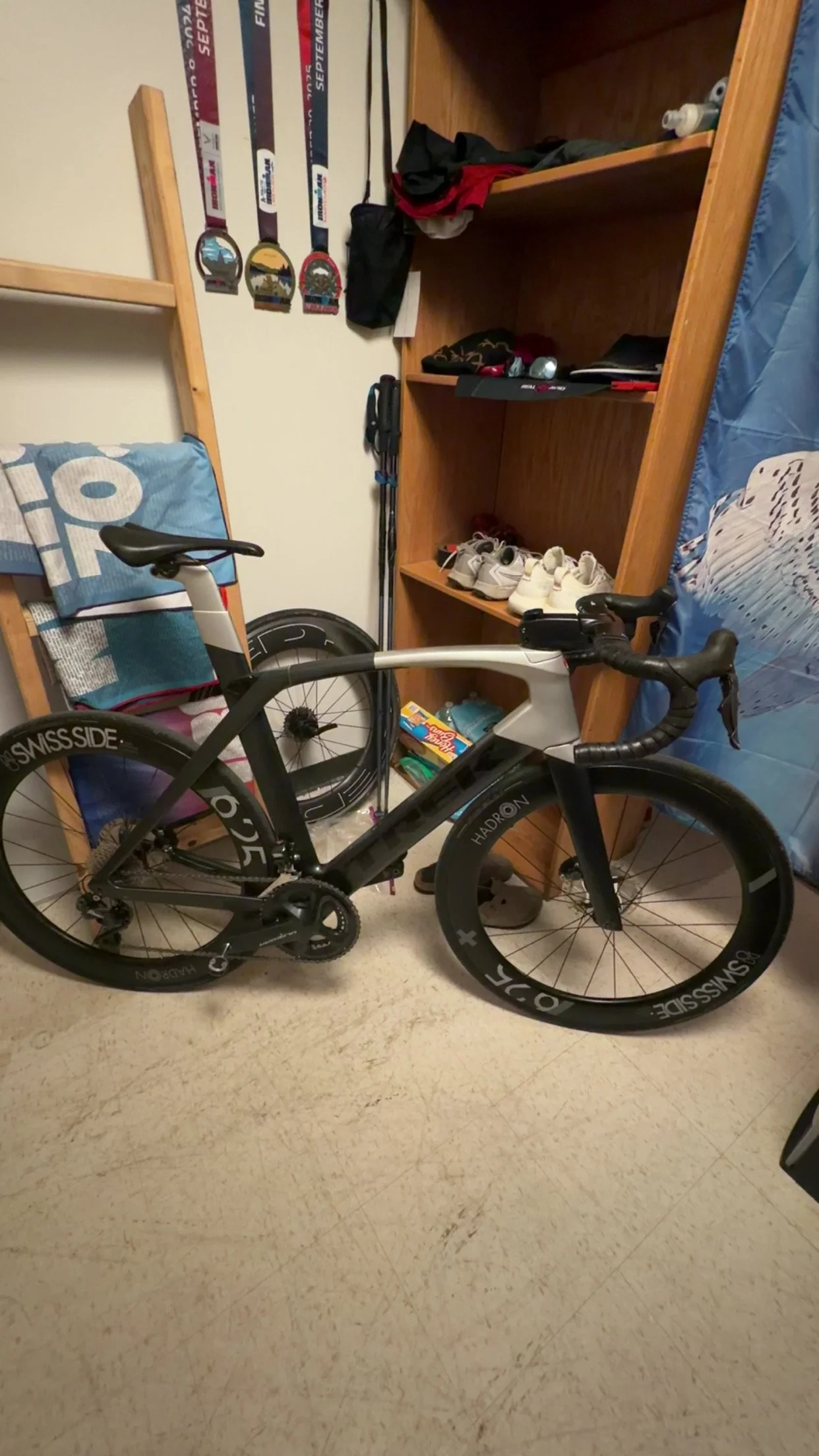
I bought my 2019 Trek Madone SLR 7 within the last month, and it was one of those bikes that just made sense right away. It had clearly been taken care of, and even though it had a carbon repair from a deep hairline scratch, it came with a lifetime transferable warranty. That made the decision pretty easy and honestly made it feel like even more of a steal.
As it sits, the setup is strong. It’s running Swiss Side Hadron 625 aero wheels, Ultegra hydraulic disc brakes, multiple shift positions in the drops and on the hoods, a Bontrager saddle, Lizard Skins bar tape, and 175mm cranks. The first thing I noticed was how comfortable the bike felt.
The Hadron 625s are a big part of that. They’re deep enough to feel fast, but still stable and predictable. You get the aero benefit without the bike feeling twitchy, which makes it a lot more usable for everyday riding.
The Ultegra hydraulic disc brakes just make everything smoother. Braking feels more controlled, especially on descents or rougher roads, and it gives you a lot more confidence compared to older rim setups. It’s one of those things you stop thinking about, which usually means it’s doing exactly what it should.
I also like having multiple shift positions. Being able to shift from both the hoods and the drops just makes the bike feel more natural when you’re riding varied terrain. You’re not constantly adjusting your hands just to change gears, which keeps everything flowing better.
The Bontrager saddle and Lizard Skins bar tape add to that overall comfort. They’re not flashy, but contact points matter. When those feel right, the whole ride feels better, especially once the miles start adding up.
The biggest thing that stands out, though, is Trek’s IsoSpeed system. It gives the bike a little bit of compliance, so it takes the edge off the road without making the bike feel soft. You still get that fast, responsive feel, but it doesn’t beat you up the same way a lot of aero bikes can. That’s a big reason why it already feels so good, even without a proper fit.
That said, it definitely needs one. The 175mm cranks feel way too long for me right now, especially coming from a shorter crank setup on the tri bike. I’ll probably end up going back to Tony at The Watt Shop to get everything dialed instead of trying to guess. The fit on my Speed Concept made a huge difference, so there’s no reason not to do the same here.
Even without that, the bike already does what I want it to do. It’s a completely different experience from the tri bike. The Speed Concept is all structure and performance. The Madone is more about getting out, covering ground, and actually enjoying the ride. It’s been perfect for exploratory days where I’m not locked into a strict plan.
That’s what makes it such a good second setup. It still fits with the whole Trek direction I’ve got going, but it gives me something different. A way to step off the tri bike and just ride.
It’s not fully dialed yet, but even as it sits, I’m really happy with it. Once I get it fitted and swap the cranks, I think it’ll be exactly where I want it.